· News · 6 views
The Witcher 3 Expansion Uses AI to Match Geralt's Voice After Actor's Stroke
CD Projekt Red used Respeecher to make Jacek Rozenek's new Polish Geralt lines sound like his base-game performance, with his consent, reigniting the debate over AI in games.
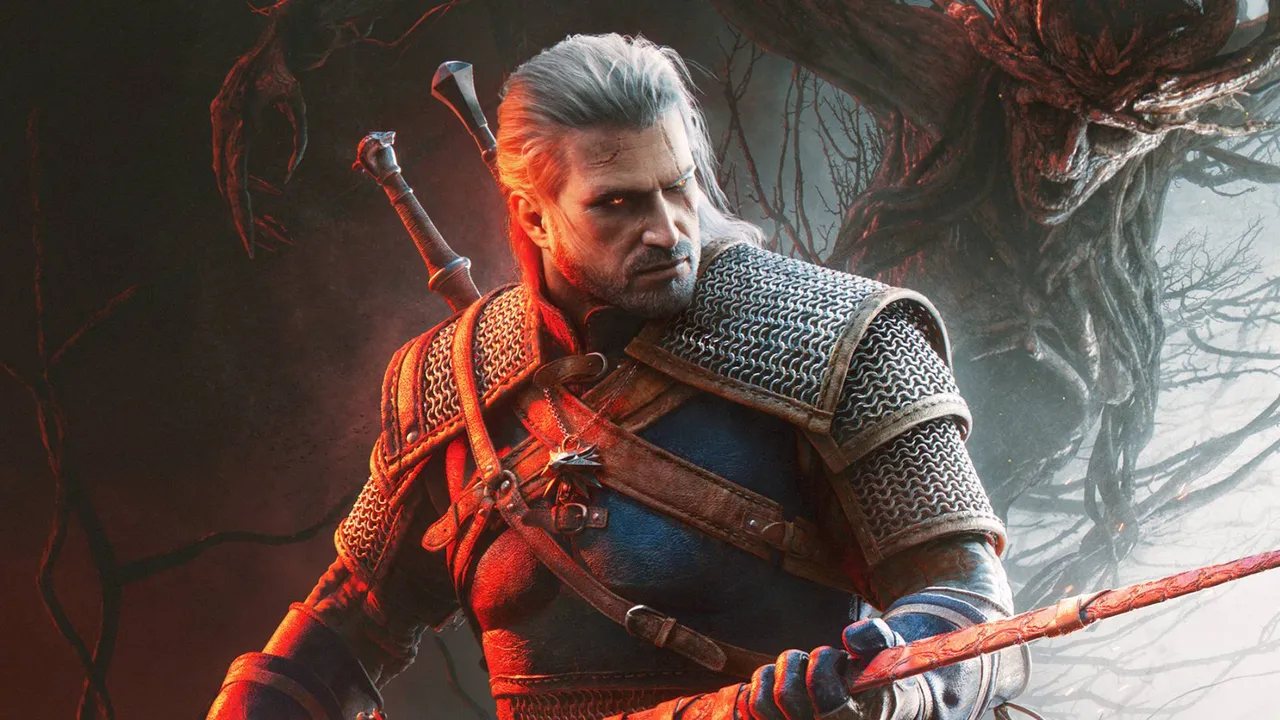
CD Projekt Red has used AI voice technology to adjust the Polish Geralt performance in The Witcher 3's upcoming expansion, Songs of the Past. The original actor's health problems had changed his voice, and the studio says he agreed to the process. It is a rare, consent-based example of AI in a major game, and it has sparked fresh debate.
What happened
Jacek Rozenek, the longtime Polish voice of Geralt, suffered a stroke in 2019 that left him unable to speak for a time and changed his voice. He returned to voice acting in 2022, but when CDPR called him back for Songs of the Past, his voice was too different from the base game to match. Rather than recast the role, the studio turned to Ukrainian voice company Respeecher.
Rozenek still records every new line himself. Respeecher then uses a model trained on his earlier work for the base game, which Kotaku reports included more than 10,000 recorded lines, to move the new performance closer to how he sounded years ago. Localisation producer Mikołaj Szwed, speaking to Game File, said the company accepts the ethical concerns around AI in voice work but believes this case is one of the ways it can be used responsibly, "with consent and also to do something good."
CDPR has used Respeecher before. For Cyberpunk 2077's Phantom Liberty expansion, the studio created new lines for Viktor Vektor after voice actor Miłogost Reczek died, with his family's consent. CDPR also said it does not plan to use the algorithm to alter Rozenek's voice in future, suggesting his deeper voice could suit an older Geralt in a game like The Witcher 4.
Key details
- Developer: CD Projekt Red
- Game: The Witcher 3: Wild Hunt, expansion Songs of the Past
- Voice actor: Jacek Rozenek, Polish voice of Geralt
- AI partner: Respeecher
- Consent: Rozenek agreed to the use of AI on his lines, according to CDPR and Game File
- Missing or unconfirmed: The expansion's release date and platforms were not stated in the reports we checked, and the number of AI-adjusted lines was not disclosed.
What it means for developers
- Consent is the line. CDPR's defense rests on the actor's agreement and the health reasons behind it. Put consent, scope and approval steps in writing before any voice-AI work begins.
- Voice matching is a production tool. Long development cycles and recording gaps can change a performer's voice. AI matching can keep a character consistent without a recast.
- Your training data is the foundation. Respeecher's models relied on the actor's existing recordings. Keep clean, licensed archives of every performance you may need later.
- Expect scrutiny. Earlier this week, House House confirmed it used AI late in Big Walk's development, and the Independent Games Festival jury said it would not vote for games that use generative AI. Disclose AI use early.
- Plan for legacy characters. Recasting is costly. Build voice continuity into contracts from day one, including backup sessions and clear AI-use clauses.
Sources
- VGC: The Witcher 3 expansion uses AI to adjust Geralt's Polish voiceover because the actor suffered a stroke
- Kotaku: The Witcher 3 Devs Explain Using AI To Help With Geralt's Polish Voice
- Destructoid: The Witcher 3: Songs of the Past's Polish Geralt VA will be tuned with AI
Cover image: © CD Projekt Red.